Hair loss can gradually change the way you look and may become more noticeable as the hairline recedes or the crown begins to thin. Genetics, hormonal factors, nutritional deficiencies, stress, certain medical conditions, and ageing can all contribute to hair loss. Fortunately, modern hair restoration techniques provide several options for managing different types of hair thinning.
If you are searching for a Hair Transplants Doctor in Jaipur, understanding the procedure, available techniques, candidacy, recovery, and expected results can help you make an informed decision. At Radiant Skin and Hair Clinic, Dr. Vishal Chugh evaluates the pattern and cause of hair loss before recommending a personalized treatment plan.
Understanding Hair Loss Before Choosing a Hair Transplant
Not every person experiencing hair fall needs a hair transplant. Therefore, the first step should always involve identifying the cause of hair loss.
Common factors that may contribute to hair loss include:
- Genetic or androgenetic hair loss
- Hormonal changes
- Nutritional deficiencies
- Physical or emotional stress
- Certain medical conditions
- Some medications
- Scalp disorders
- Age-related thinning
A detailed consultation allows the doctor to assess the scalp, existing hair density, progression of hair loss, and donor area. If an underlying medical issue causes excessive shedding, treating that condition may take priority over transplantation.
What Is a Hair Transplant?
A hair transplant is a surgical hair restoration procedure that redistributes healthy hair follicles from a donor area to areas affected by permanent hair loss.
Doctors usually obtain donor follicles from the back or sides of the scalp because these areas often retain stronger hair growth in people with pattern hair loss. The doctor then places suitable follicles into thinning or bald areas while considering the natural direction and angle of hair growth.
The primary objective involves creating a balanced, natural-looking appearance while using the available donor hair efficiently.
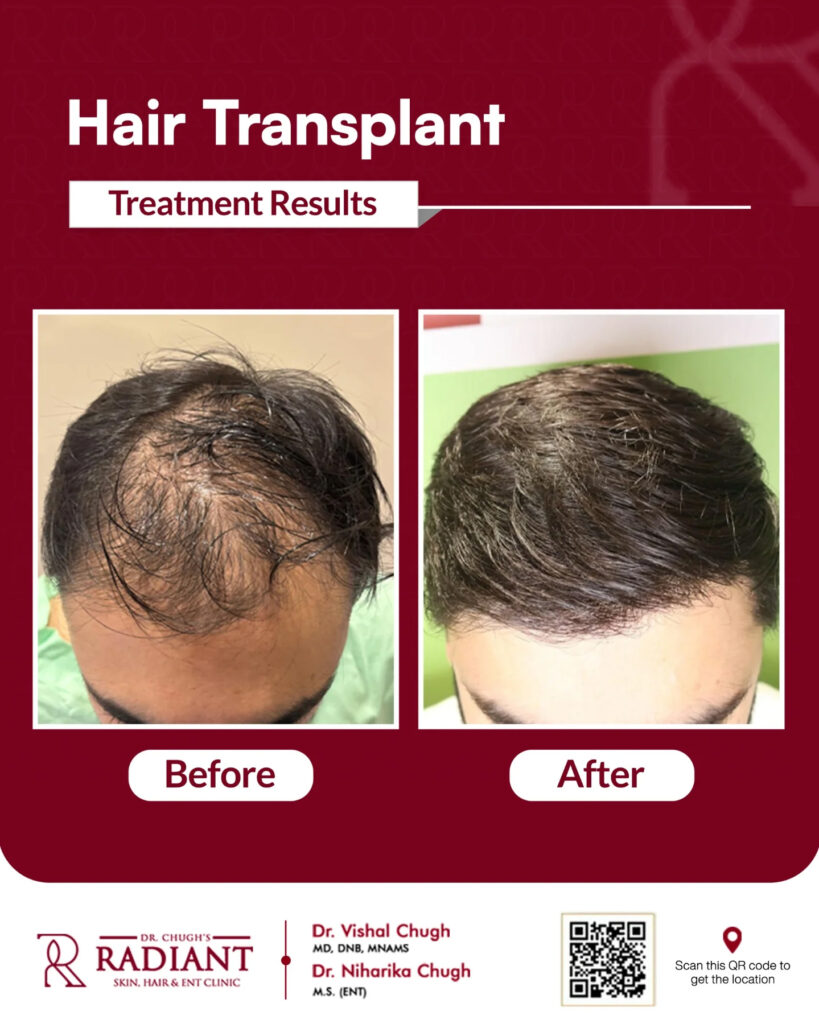 Hair Transplants Doctor in Jaipur: Why Experience and Planning Matter
Choosing a Hair Transplants Doctor in Jaipur requires more than comparing the number of grafts or treatment packages. Hair transplantation involves medical assessment, donor management, hairline planning, graft handling, and long-term consideration of future hair loss.
When evaluating a doctor or clinic, consider:
- Hair and scalp assessment: The doctor should identify the type and extent of hair loss before suggesting surgery.
- Donor-area evaluation: A healthy and adequate donor area plays an important role in treatment planning.
- Natural hairline design: The hairline should complement the patient’s age, facial proportions, and existing hair.
- Treatment transparency: Patients should understand the recommended technique, limitations, recovery, and expected outcome.
- Long-term planning: Existing non-transplanted hair may continue to thin, so future hair loss should form part of the treatment strategy.
- Post-procedure care: Proper instructions and follow-up help support recovery after transplantation.
Different Hair Transplant Techniques
Modern hair transplantation uses different methods to harvest and transplant follicles. The doctor selects a suitable approach according to the patient’s hair loss, donor availability, scalp characteristics, and treatment goals.
1. FUE Hair Transplant
Follicular Unit Extraction (FUE) involves extracting individual follicular units from the donor area. The doctor then implants these grafts into the planned recipient areas.
Potential features of FUE include:
- Individual follicle extraction
- No long linear donor scar
- Small extraction sites
- Strategic graft placement
- Suitable for many patterns of hair loss
However, the number of available grafts and donor density influence what the procedure can realistically achieve.
2. FUT Hair Transplant
Follicular Unit Transplantation (FUT) involves removing a thin strip of tissue from the donor area. The surgical team then separates it into individual follicular units for transplantation.
FUT may provide an option for selected patients who require a significant number of grafts. However, it typically leaves a linear scar in the donor area. Therefore, patients should discuss the advantages and limitations of the technique before choosing it.
3. Combination Hair Restoration Approach
Some patients may require a broader hair restoration strategy instead of relying on transplantation alone. Depending on the diagnosis, the doctor may combine surgical planning with medical or supportive hair-loss treatments.
The appropriate approach varies for every patient, making individual assessment essential.
How Does a Hair Transplant Procedure Work?
Although the exact process varies according to the technique, hair transplantation generally follows several stages:
- Consultation and diagnosis: The doctor assesses the scalp, hair-loss pattern, and medical history.
- Hairline planning: The doctor designs the recipient area according to facial proportions and available donor follicles.
- Donor preparation: The clinical team prepares the donor region for follicle extraction.
- Graft extraction: The doctor or surgical team obtains suitable follicular units using the planned technique.
- Recipient-site preparation: The doctor plans appropriate angles, direction, and distribution for graft placement.
- Graft implantation: The team carefully places the harvested follicles into the recipient area.
- Aftercare: The patient receives instructions about scalp care, washing, activity, and follow-up.
Careful planning during each stage contributes to an aesthetically balanced result.
What Makes a Hair Transplant Look Natural?
Natural hair restoration does not simply depend on transplanting a large number of grafts. Instead, several aesthetic and technical factors work together.
Important considerations include:
- Age-appropriate hairline design
- Correct angle of transplanted follicles
- Natural direction of hair growth
- Appropriate graft distribution
- Gradual density across the hairline
- Careful donor-area management
- Consideration of future hair loss
For example, placing finer follicular units around the frontal hairline can help create a softer transition. Meanwhile, strategic placement of available grafts can help improve the overall visual appearance of density.
Who May Be a Suitable Candidate for Hair Transplantation?
A Hair Transplants Doctor in Jaipur should assess candidacy before recommending surgery. A person may qualify for transplantation when they have:
- Established pattern hair loss
- Sufficient donor hair
- Healthy scalp condition
- Realistic expectations
- Stable general health
- An appropriate donor-to-recipient ratio
In contrast, people experiencing active unexplained shedding or certain scalp conditions may need further evaluation or treatment before considering transplantation.
What Happens After a Hair Transplant?
Recovery varies according to the technique and individual patient factors. During the initial period, patients may experience temporary redness, mild swelling, crusting, or sensitivity around the treated areas.
The transplanted hair shafts may shed during the early stages after the procedure. This process does not necessarily mean that the transplanted follicles have failed. New hair growth usually develops gradually as follicles progress through their normal growth cycles.
Patients should carefully follow instructions regarding:
- Scalp washing
- Sleeping position
- Exercise and physical activity
- Sun exposure
- Hair products
- Touching or scratching the transplanted area
- Prescribed medicines
- Follow-up appointments
Hair restoration requires patience because visible improvement develops over several months.
Hair Restoration at Radiant Skin and Hair Clinic
At Radiant Skin and Hair Clinic, Dr. Vishal Chugh provides assessment for hair loss and hair restoration concerns. The consultation focuses on understanding the patient’s pattern of hair loss, donor availability, scalp condition, and treatment expectations.
Instead of viewing hair transplantation as the right option for every type of hair fall, the treatment approach considers individual suitability. Depending on the diagnosis, patients can discuss hair transplantation as well as other appropriate hair-loss management options.
Conclusion
Hair transplantation can provide a long-term hair restoration option for appropriately selected people with permanent pattern hair loss. However, natural-looking results depend on proper diagnosis, realistic planning, careful donor management, suitable technique selection, and thoughtful hairline design.
When searching for a Hair Transplants Doctor in Jaipur, focus on individualized assessment and long-term hair restoration planning rather than promises of instant or guaranteed results. At Radiant Skin and Hair Clinic, patients can consult Dr. Vishal Chugh to understand their hair-loss condition and explore suitable treatment options.
A professional consultation can help determine whether hair transplantation or another hair restoration approach matches your individual needs.
Frequently Asked Questions
1. Is hair transplantation permanent?
Hair follicles transplanted from an appropriate donor area generally retain their characteristics and can provide long-lasting growth. However, existing non-transplanted hair may continue to thin over time, making long-term hair-loss management important.
2. How long does it take to see hair transplant results?
Hair transplant results develop gradually. Early shedding may occur after the procedure, while new growth typically becomes noticeable over the following months. The complete timeline varies according to individual hair-growth cycles and other factors.
3. How do I choose a Hair Transplants Doctor in Jaipur?
Look for a doctor who provides a detailed hair and scalp assessment, evaluates donor availability, explains suitable transplant techniques, plans a natural hairline, discusses realistic outcomes, and provides clear aftercare and follow-up guidance.