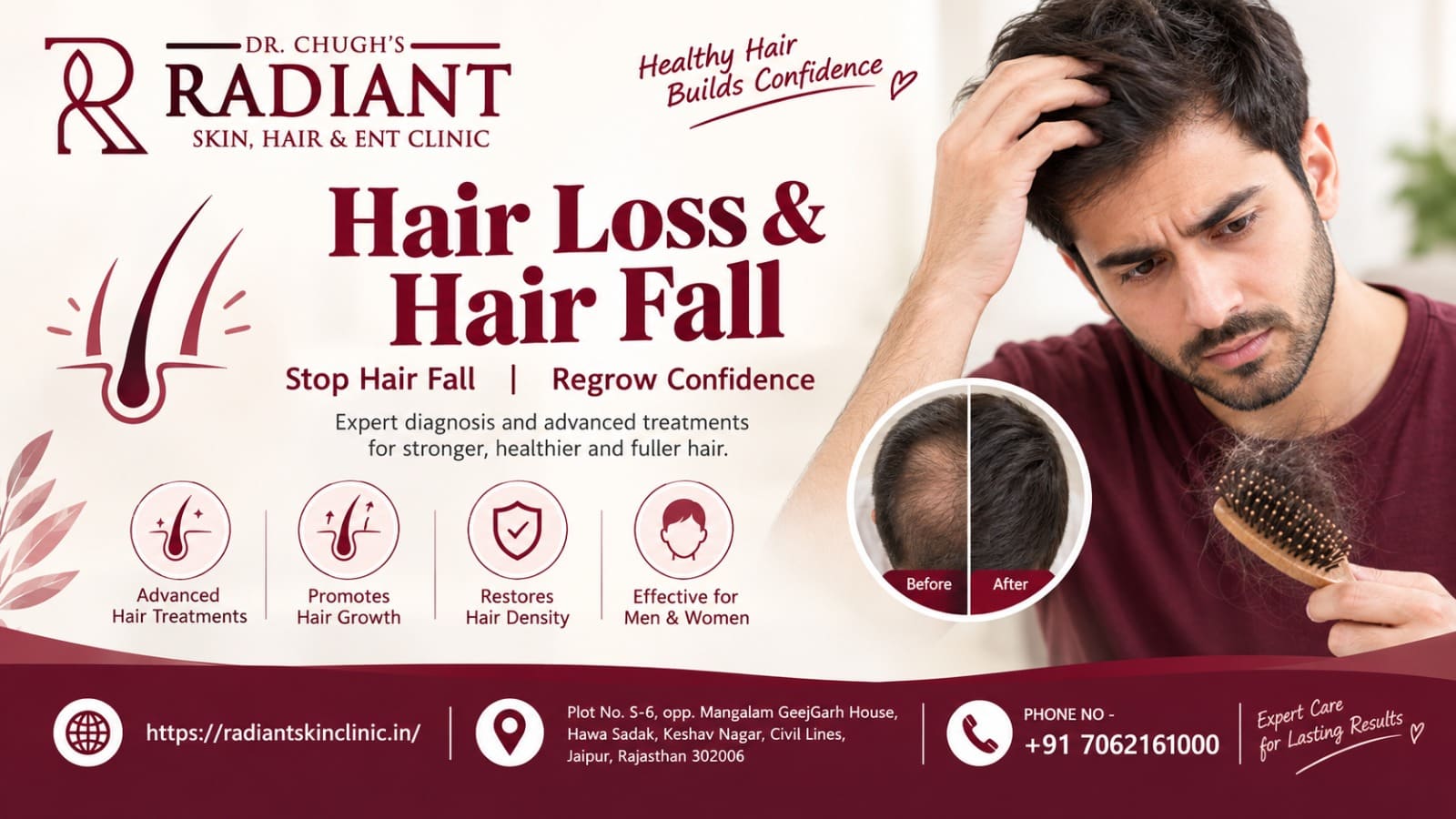
Have you ever wondered if that hair you shed yesterday is really loss? Well, shed hair isn’t loss hair. Shed hair is often referred to as hair fall and is hair lost as part of the shedding process during the normal hair growth cycle. Shedded hair grows back whereas loss hair doesn’t. Understanding the difference between hair loss and hair fall is key to knowing if you have an issue that needs treatment.
You may notice an increase in shedding hair in your hair brush, or you may notice an increase in hair present in your shower drains, but how do you determine what is a normal amount of hair to lose? Loss hair is hair that doesn’t grow back and loss hair is the result of genetics, hormones, and autoimmune diseases.
The purpose of this guide is to help you understand the difference between hair loss and hair fall. Once you understand the difference, it will help you understand the appropriate treatment necessary to address your hair loss.
Hair Growth Cycle and Hair Fall
All hair on your head grows through three distinct phases:
1. Anagen Phase (Growth Phase)
Most hair grows actively for 2 to 7 years in this phase. About 85 to 90 percent of your hair is in this phase at any given time.
2. Catagen Phase (Transition Phase)
This phase lasts for approximately two to three weeks. Growth of hair almost stops, and the hair follicle starts shrinking.
3. Telogen Phase (Resting and Shedding Phase)
This phase, which lasts approximately three months, is when hair sheds and new hair growth starts.
Hair Fall Causes
- Hair falls for a number of reasons, some of which are:
- Sudden or Seasonal changes
- Iron deficiency in the body
- Protein or vitamin D deficiency in the body
- Lack of sleep or stress
- Use of hair care products which are too harsh or excessive use of hair dryers
- Hormonal problems, for example, after pregnancy
Signs of Hair Fall
- You find more hair on your pillow, brush, or in the bathroom
- Hair density is the same as before
- No bald patches or thinning of hair
What Is Hair Loss?
Hair loss or Alopecia refers to the loss of hair, either due to falling faster than it can grow or due to hair follicles that stop producing hair altogether. Unlike hair fall, hair loss has visible consequences of bald spots or thinning of hair, which don’t automatically reverse themselves.
Common Kinds of Hair Loss
There are several kinds of hair loss that are influenced by different causes. The most familiar is known as genetic hair loss or androgenetic alopecia. Male pattern hair loss usually causes receding hairlines and in women causes diffuse hair loss. Today, there are numerous kinds of hair loss men and women experience, which we will cover below.
1. Androgenetic Alopecia (Male or Female Pattern Baldness)
Genetic hair loss is by far the most common. Men lose hair in the beginning of the hairline and women’s genetic hair loss causes diffuse thinning at the crown.
2. Alopecia Areata
Alopecia areata is an autoimmune hair loss. The body’s immune system attacks hair follicles causing sudden hair loss in patterned, circular patches.
3. Traction Alopecia
This kind of hair loss is from hair tension across the scalp caused by tight braids, ponytails, and even weaves or extensions.
4. Scarring Alopecia
Damage caused by the body’s inflammatory response (autoimmune and non-autoimmune) destroys hair follicles for good. This causes permanent hair loss and is replaced by scar tissue. This is a rare and extreme form of hair loss.
The Most Common Cause of Hair Loss
1. Genetics
Having bald relatives raises the risk of hair loss for you.
2. DHT Sensitivity
In men, the hormone DHT can cause shrinking of hair follicles.
3. Autoimmune Disorders
Thyroid issues and other autoimmune disorders can cause hair loss.
4. Age
With age, hair growth becomes weaker.
5. Chronic Illness
Hair loss can be caused by endocrine disorders and Polycystic Ovary Syndrome (PCOS) for instance.
The Early Signs of Hair Loss
- Widening hair parts and visible scalp
- Receding hairlines
- Thinning hair with visible bald spots
- Hair that does not grow back after it has shed
Hair Fall and Hair Loss: What’s the Difference?
Hair Fall and Hair Loss can be identified by several characteristics.
Nature
- Hair Fall contains the falling out of hair as a natural part of the hair growth cycle.
- Hair Loss can be from several factors causing a permanent loss of hair.
Regrowth
- Hair that falls out can grow back.
- If hair is lost, it may grow back with treatment, but may not.
Cause
- Hair Fall is caused by several factors, including lifestyle, seasons, and nutrition.
- Hair Loss can have several causes, such as genetics and autoimmune disorders.
Pattern
- Hair Fall causes no significant thinning of the hair.
- Hair loss causes noticeable thinning in the hair.
When does Normal Hair Fall equal Hair Loss?
There are several determining factors such as:
The 100 Hair Rule
Losing more than 100 hairs in one day over a prolonged period could potentially demonstrate an underlying condition instead of natural hair fall.
Duration
The length of time hair fall occurs is significant. If hair fall occurs continuously over 3 months, the symptoms of hair fall could turn into hair loss symptoms.
Pattern
A uniform shedding process indicates hair fall. If hair loss occurs, it can be noticed by thinning patches or a receding hairline.
Best Remedies for Treating Hair Fall
Enhance Your Nutrition
Increasing the intake of iron, biotin, zinc, and protein can help to improve hair loss.
Address Stress
Effects from insufficient sleep and an overwhelming amount of stress can be reduced by taking the time to meditate.
Use Gentle Hair Care Products
Highly concentrated chemicals and harsh treatments should be avoided.
Fix the Cause
Thyroid issues can be the cause of hair loss and should be addressed.
Other issues, such as vitamin deficiencies, can be the cause of hair loss and should be addressed.
Best Medical Treatments for Hair Loss
- Hair loss can be especially tricky, and in many cases, more treatments are needed. Some of these are:
- Topical minoxidil to stimulate the hair follicles:
- Oral medications like finasteride to slow/arrest pattern baldness:
- PRP (Platelet-Rich Plasma) therapy to stimulate natural regrowth of hair:
- Hair transplantation surgery for more advanced/permanent cases of hair loss.
Due to the many causes of hair loss, it is imperative to have a proper diagnosis before initiating any type of treatment. For this reason, The Best Skin Specialist in Jaipur at Radiant Skin & ENT Clinic can effectively pinpoint the reason for your hair loss and formulate a treatment plan catered to your specific situation and needs.
Can Hair Fall Turn Into Hair Loss?
Yes, hair fall, if neglected, can certainly turn into hair loss. For example, chronic stress can permanently damage your hair follicles. This is why it is important to know the difference between hair loss and hair fall. If somebody has hair fall, they are much more likely to successfully prevent hair loss.
Balance in Your Diet Helps Grow Hair
A balanced diet demonstrates the quality and quantity of nutrients consumed. Quality is based on micronutrients (vitamins and minerals), protein, fat, and carbohydrate. The quantity relies on caloric intake. A balanced diet should include foods from all of the food groups. Hair is a non-essential tissue. Regular protein is the only essential nutrient, but hair requires all nutrients in order to grow. A balanced diet should include protein, vitamin A, vitamin C, and vitamin D at the minimum. The exact nutrient composition of the diet should be determined on a case to case basis.
Avoid Pulling on Your Scalp
Tight ponytails and braids should be avoided. How you style your hair can influence hair regrowth. Certain styles pull the hair tightly and remain unchanged for days. The scalp houses hair follicles and blood vessels. When hair styles are tightly placed around the scalp, it restricts the blood flow to the scalp. Restricted blood flow can result in hair loss.
Know the Difference, Protect Your Hair
It is important to recognize the difference between hair loss and hair fall. Hair fall is occasional. Hair loss is a receding hairline, thinning, bald spots, and excessive hair shedding. An expert evaluation can determine your category before you spend months trying several ineffective home remedies. Radiant Skin and ENT Clinic provides professional guidance for individuals seeking to understand the cause of excessive hair shedding or hair thinning.
Frequently Asked Questions
Does hair loss need to be permanent?
Hair loss, specifically early androgenetic alopecia, can be slowed or even reversed by using the right combination of treatments. Previously, this was thought to only be able to be done with surgery. Now, we have options to do this with PRP therapy, meds, and topical minoxidil. However, there is no treatment yet to reverse scarring alopecia.
When Should I Go See The Doctor?
You should look to see a doctor if you experience hair loss lasting over three months, visible bald patches, or a receding hair line.
Is All Hair loss Genetic?
Androgenetic Alopecia is hereditary, but there are other reasons a person could be experiencing hair loss. These could be autoimmune disorders, chronic illness, aging, and hormonal imbalance.