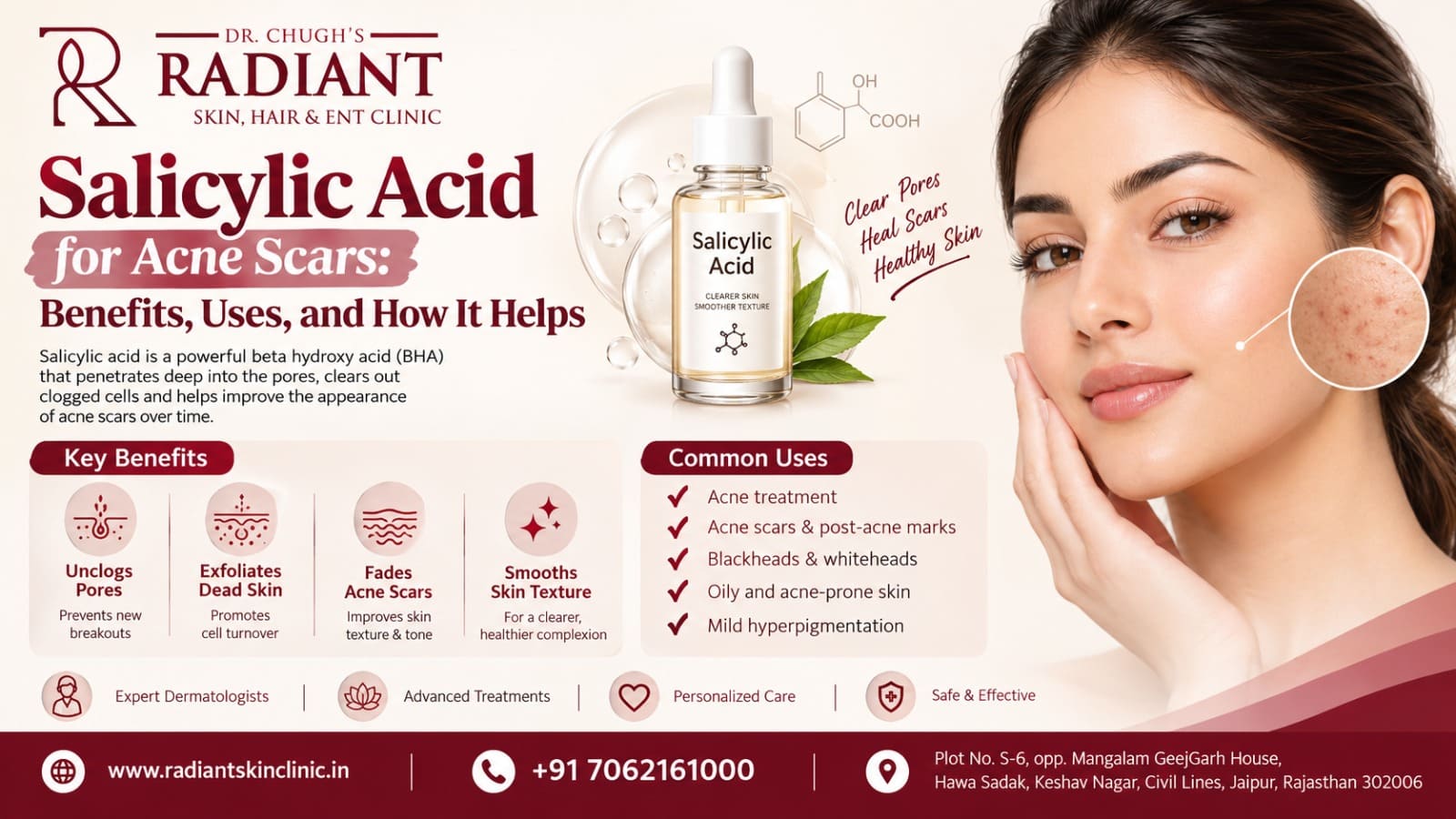
Dealing with breakouts is stressful enough, but the marks left behind can often feel even more persistent. Whether you are struggling with post-inflammatory hyperpigmentation or uneven skin texture, finding the right topical solution is essential for regaining clear, radiant skin. Among the plethora of skincare ingredients on the market today, BHA exfoliant active care stands out as a clear favorite among dermatologists.
Many people wonder: is salicylic acid good for acne scars, and how effectively does it work on different skin types? In this comprehensive guide, we explore the science behind salicylic acid for acne scars, how to integrate it safely into your routine, its key benefits, and when it might be time to consider clinical options like professional Acne Scar Treatment in Jaipur.
What Is Salicylic Acid?
Salicylic acid is a Beta-Hydroxy Acid (BHA) derived naturally from willow bark, sweet birch leaves, and wintergreen. Unlike Alpha-Hydroxy Acids (AHAs) like glycolic or lactic acid, which are water-soluble and work mostly on the surface of the skin, salicylic acid is oil-soluble.
This unique chemical property allows it to penetrate deep beyond the surface epidermis, dissolving the lipid bonds that bind dead skin cells together inside the pores. By breaking down oil, sebum, and cellular debris, it cleanses clogged follicles from within while encouraging smooth cellular turnover.
Why Is Salicylic Acid So Popular in Skincare?
Salicylic acid owes its global popularity to its multi-functional versatility:
- Oil Soluble: It travels deep into congested pores, dissolving oil plugs and preventing future comedones (blackheads and whiteheads).
- Anti-Inflammatory Properties: It possesses inherent calming properties that soothe angry, red, inflamed blemishes.
- Gentle Exfoliation: It steadily loosens dead surface cells, preventing rough, flaky, or dull skin.
- Accessibility: It is available in widely accessible over-the-counter formulations, ranging from cleansers and toners to concentrated leave-on serums and spot treatments.
How Salicylic Acid Helps Fade Acne Scars
To understand how salicylic acid improves skin appearance, it is helpful to distinguish between two main types of post-acne marks:
- Post-Inflammatory Hyperpigmentation (PIH): Dark, flat spots (brown, red, or pink) caused by excess melanin production following an active breakout.
- Atrophic/Depressed Scars: Textured indentations (such as ice-pick, boxcar, or rolling scars) caused by structural collagen loss in deeper dermal layers.
 Fading Surface Pigmentation
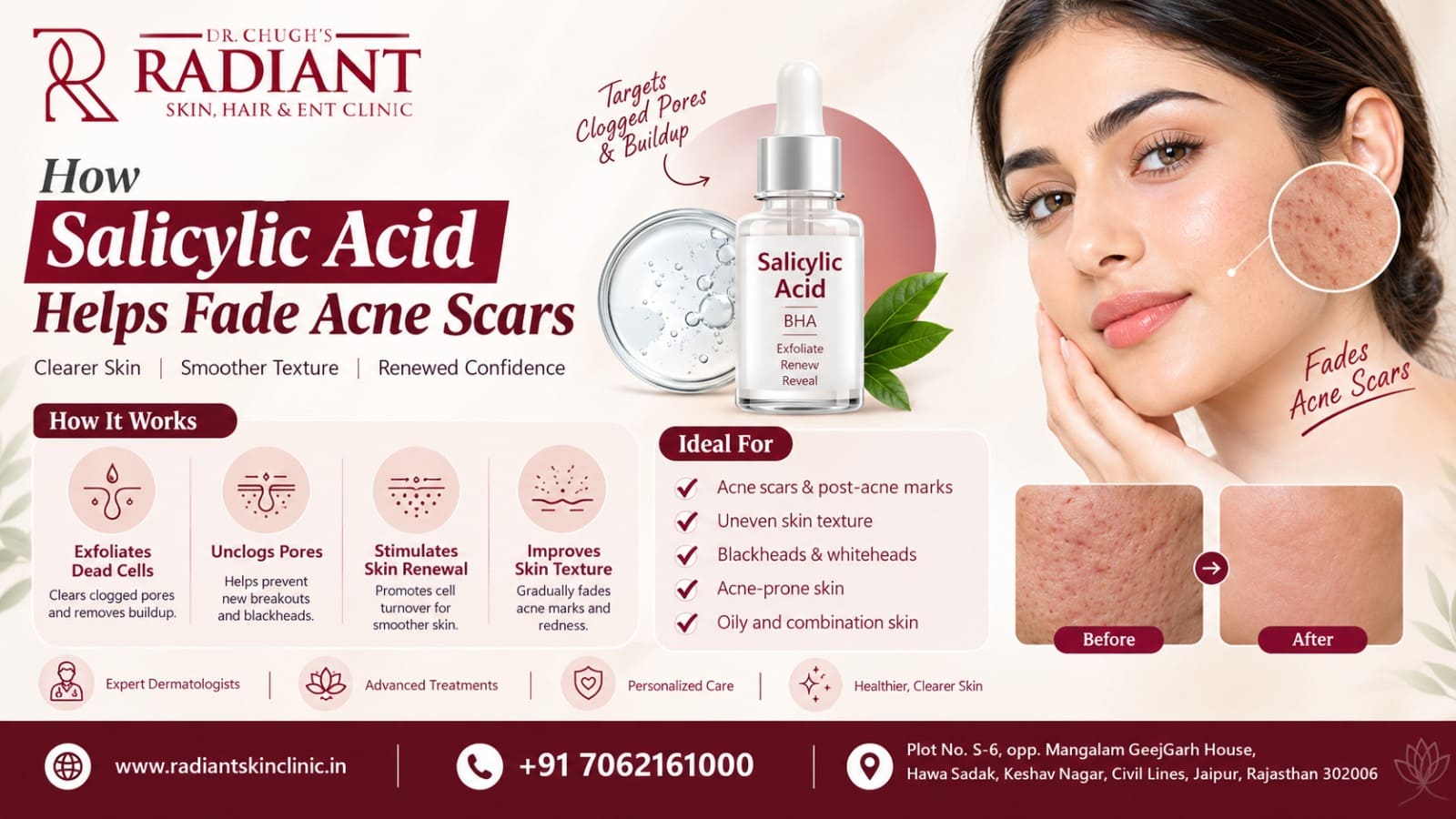
When applied regularly, salicylic acid accelerates surface cell turnover. By shedding hyperpigmented outer skin layers faster, fresh, evenly pigmented cells rise to the surface. Over weeks of consistent use, this process visibly fades dark marks and evens out overall skin tone.
Smoothing Textural Imperfections
By dissolving trapped sebum and encouraging micro-exfoliation, salicylic acid refined skin texture around shallow marks. While it cannot repair deep, structural dermal hollows on its own, it refines rough surface patches and minimizes pore visibility, making minor texture irregularities far less noticeable.
Precautions Before and After Use
To maximize safety and maintain skin barrier integrity, observe these essential precautions:
Before Use
- Perform a Patch Test: Apply a small amount behind your ear or on your inner forearm and monitor for 24–48 hours for redness, itching, or swelling.
- Check Active Ingredients: Avoid mixing salicylic acid simultaneously with strong actives like retinoids, high-strength vitamin C, or benzoyl peroxide in the same routine, as this can cause severe peeling or irritation.
After Use
- Moisturize Adequately: Follow with a hydrating, barrier-repairing moisturizer containing ceramides or hyaluronic acid to combat dryness.
- Apply Broad-Spectrum Sunscreen: Exfoliated skin is extra vulnerable to UV damage. Apply SPF 30 or higher every morning without fail to prevent dark spots from darkening further.
Does Salicylic Acid Completely Remove Acne Scars?
A frequent query among patients is: does salicylic acid remove acne scars permanently? Or can salicylic acid remove acne scars entirely on its own?
The short answer is: it depends on the type and depth of the scar.
- For Flat Dark Spots (PIH): Yes, salicylic acid is highly effective at fading superficial dark spots over time.
- For Deep Indented Scars: No. Deep boxcar, ice-pick, or tethered rolling scars extend far into the dermis where topical creams cannot penetrate effectively.
If you are dealing with deeper textural indentations, combining topical care with advanced clinical treatments yields the best outcome. Seeking the Best Laser Acne Scar Treatment in Jaipur allows dermatologists to utilize precise fractional lasers (such as CO2 or Erbium:YAG) and microneedling technologies to stimulate genuine collagen remodeling beneath deep scars.
Benefits of Using Salicylic Acid for Acne Scars
Integrating salicylic acid into your skincare routine offers several key advantages:
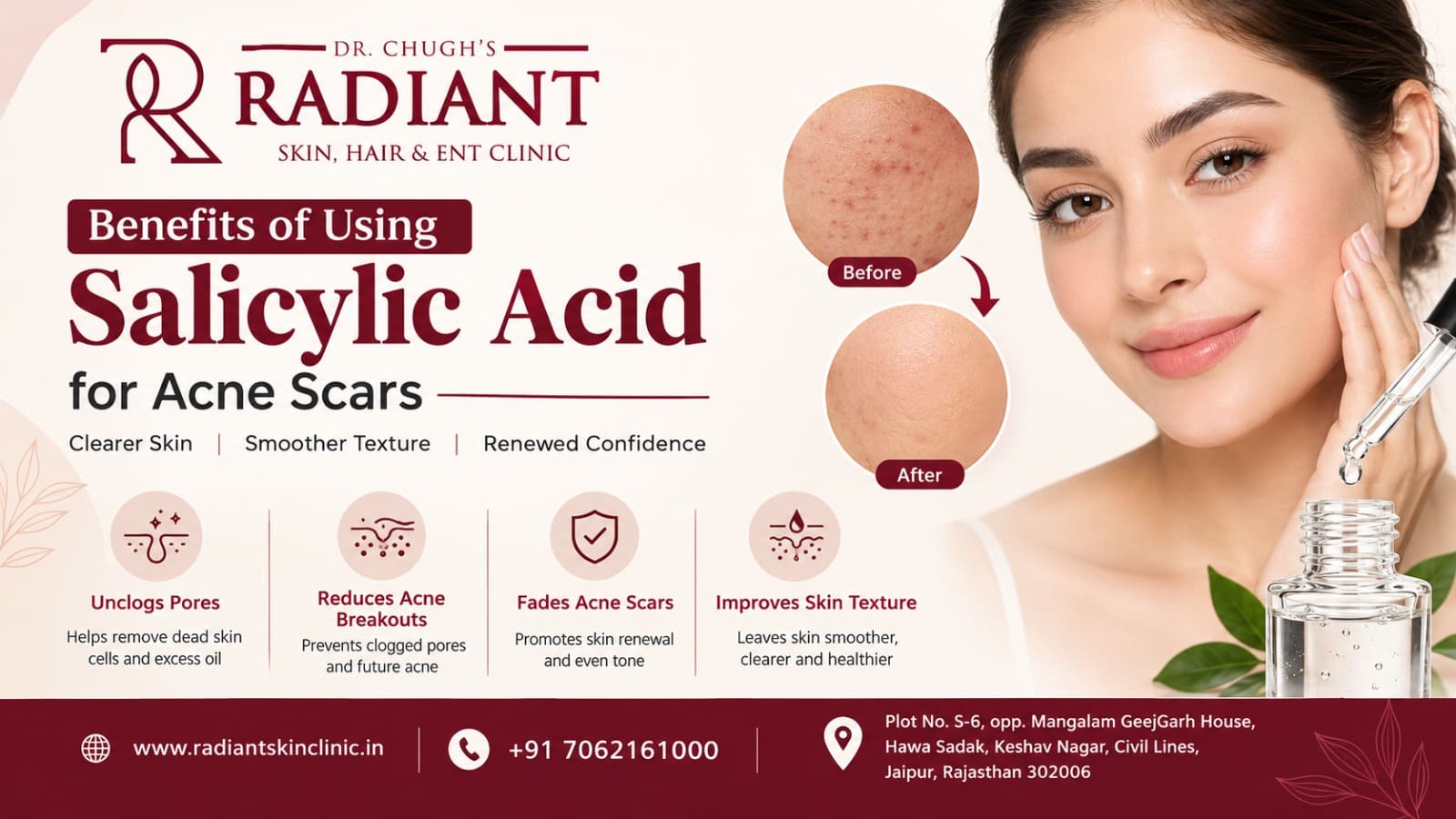 Dual Action: Fades existing superficial dark marks while active acne breakouts are kept under control to prevent new scars from forming.
- Unclogs Pores: Keeps follicles clean, reducing blackheads, whiteheads, and cystic eruptions.
- Refines Skin Texture: Smooths out rough, bumpy surfaces, making skin feel significantly softer to the touch.
- Soothes Inflammation: Reduces active redness around healing lesions due to its inherent anti-inflammatory nature.
- Complements Clinical Procedures: Prepares the skin surface, making it healthier and better suited to recover from in-clinic procedures like chemical peels or laser therapy.
Possible Side Effects and Safety Tips
While generally well-tolerated, improper use or overuse of salicylic acid can lead to side effects:
- Dryness and Flaking: Common when starting higher concentrations. Counter balance with rich moisturizers.
- Redness and Stinging: A transient tingling sensation is normal, but persistent burning indicates skin barrier impairment.
- Purging: Mild, temporary breakout surges can occur during the first 2 to 4 weeks as trapped debris is pushed to the surface.
Safety Tip: If severe irritation, peeling, or persistent burning occurs, pause usage for a few days and focus strictly on gentle cleansing and hydration.
Frequently Asked Questions (FAQs)
Q1. Is salicylic acid good for acne scars on dark skin tones?
Yes. Salicylic acid is safe for darker skin tones because it exfoliates gently without causing post-inflammatory hyperpigmentation, provided you avoid over-exfoliation and always wear sun protection.
Q2. How long does it take for salicylic acid to fade dark acne spots?
With consistent daily or near-daily use, visible fading of superficial dark marks typically takes between 4 to 8 weeks.
Q3. Can I use salicylic acid alongside laser treatments?
You should stop using active exfoliants (including salicylic acid) 3 to 7 days before and after professional procedures. Always follow the specific prep and post-care guidelines provided by your clinic when undergoing Acne Scar Treatment in Jaipur.
Conclusion
Understanding how salicylic acid for acne scars works empowers you to choose the best path forward for your skin goals. For surface pigmentation, minor blemishes, and overall texture refinement, consistent application of salicylic acid is a safe, highly effective, dermatologist-approved strategy.
However, for deep, pitted scars, topical products have their natural limits. If you desire dramatic structural resurfacing, scheduling a consultation with a certified dermatologist for the Best Laser Acne Scar Treatment in Jaipur will help you achieve smooth, revitalized, and confident skin.